What is driving the shift to PPM?
Reactive maintenance – fixing assets only when they fail – may appear cost-effective in the short term, but the long-term data tells a different story.
Additionally, reactive models contribute to significant operational inefficiencies:
Planned Preventative Maintenance allows facility managers to shift from a reactive mindset to a proactive, strategic approach. Instead of constantly responding to failures, teams can anticipate issues, plan interventions, and maintain control over asset performance.
One of the most immediate advantages is reduced downtime. By scheduling maintenance activities in advance, organisations can minimise disruption to operations and avoid costly emergency repairs. This is particularly important in environments where downtime directly impacts revenue or service delivery.
Another significant benefit is extended asset lifespan. Regular servicing, inspections, and minor repairs ensure that equipment operates at optimal efficiency. Over time, this can increase asset longevity, delaying the need for expensive replacements and improving return on investment.
PPM also plays a crucial role in ensuring compliance and safety. Facility managers must adhere to strict UK regulations across areas such as HVAC systems, fire safety, and electrical maintenance. A structured PPM programme ensures that inspections and certifications are completed on time, reducing the risk of fines, legal issues, or safety incidents.
Energy efficiency is another key advantage. Poorly maintained equipment often consumes significantly more energy. With PPM in place, systems are kept in optimal condition, helping organisations reduce energy consumption and meet sustainability targets.
Finally, PPM supports better financial planning and cost control. Reactive maintenance is unpredictable and often leads to budget overruns due to emergency call-outs and urgent part replacements. In contrast, planned maintenance allows organisations to forecast costs more accurately, allocate resources effectively, and avoid unexpected financial shocks.
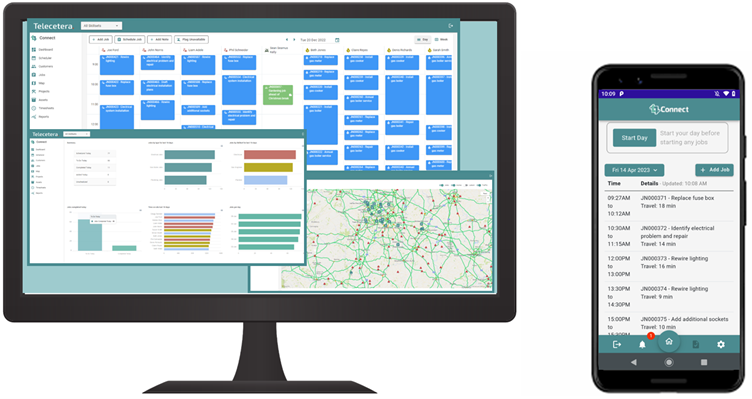
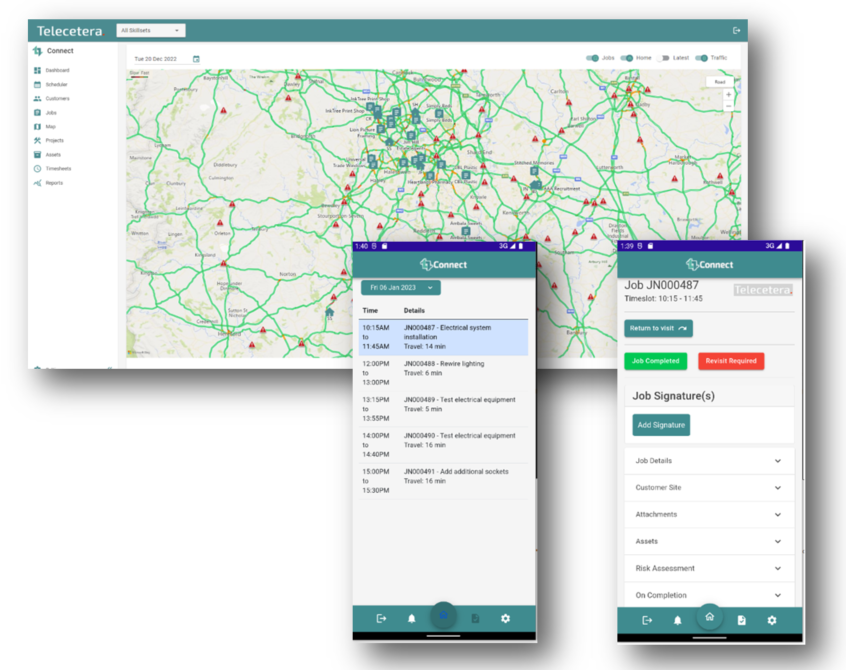
While adopting PPM is essential, execution is where many facility management companies fall short. This is where workforce management software becomes critical.
Smart scheduling tools enable:
Without digital tools, many FM teams still rely on manual processes, leading to missed PPM tasks and an over-reliance on reactive maintenance.
The rise of Planned Preventative Maintenance is being fuelled by clear financial, operational, and regulatory advantages. In an era where downtime, energy costs, and compliance risks are under scrutiny, reactive maintenance is no longer sustainable.
Facility management companies that combine robust PPM strategies with intelligent workforce management software will be best positioned to deliver efficient, cost-effective, and future-ready services.