
As the weather gets colder, maintenance teams face more pressure to keep buildings warm and running smoothly. A heating breakdown in a tenant’s home cannot wait. Neither can a fault affecting an occupied workplace or a vulnerable resident. For facilities management (FM) companies, HVAC providers and housing associations, the challenge is fitting urgent work into a schedule that was already full.
Imagine it is 8:30am. Two engineers have called in sick, an urgent heating repair has arrived and several planned jobs are due today. If schedules sit in spreadsheets, paper forms and separate messages, finding the right person can take longer than it should. Every change also needs communicating to engineers, office staff and customers.
For housing associations, a delayed heating repair can leave residents without warmth and generate more calls to the contact centre. HVAC providers may need to consider engineer expertise and parts before confirming an appointment. FM teams often manage several buildings at once. The pressure is not just completing more jobs; it is making sensible decisions as priorities change.
When the team spends the morning chasing updates, planned preventative maintenance can slip. That may create more problems later, particularly during winter when reliable heating matters most.
Not every new request needs the same response. Teams need to understand the impact of the fault, who is affected and how quickly somebody needs to attend. A clear process can help coordinators make decisions without treating every job as the top priority.
A useful daily check could include:
Which jobs affect heating, safety or essential services?
Which engineers are available, and what skills does each job require?
What planned work can move without creating another problem?
Who needs an update when an appointment changes?
These questions are simple, but answering them is difficult when information is scattered across different places.
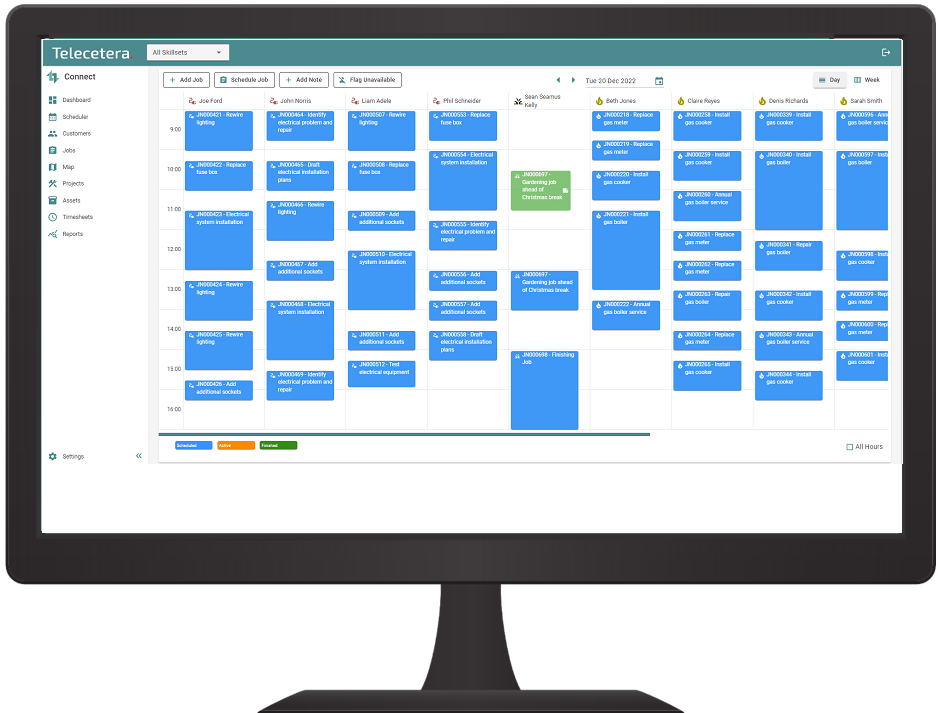
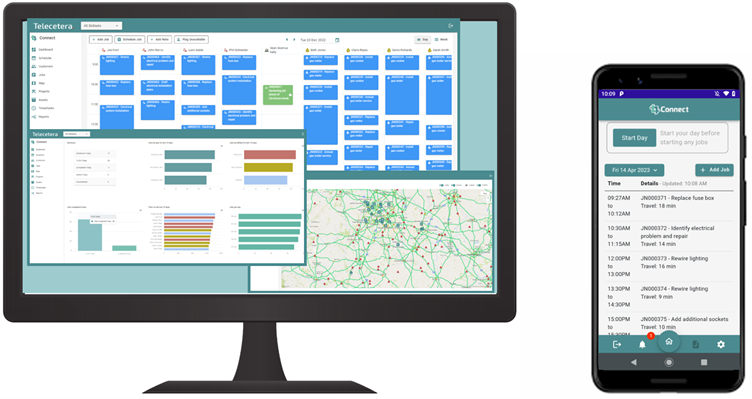
Connect WFM helps teams organise jobs, schedules and workforce information in one system. When an urgent request arrives, coordinators can review the day’s work, adjust assignments and keep track of changes. That clearer view can reduce time spent searching through spreadsheets or making repeated calls.
For an HVAC company, this could mean responding to a heating breakdown while keeping track of booked servicing. For a housing association, it could help teams coordinate repairs across multiple properties. FM companies can use the same approach to balance reactive requests with planned maintenance across their sites.
No system can prevent every breakdown or make a busy day quiet. Better scheduling can, however, help teams respond when plans change, give urgent jobs the attention they need and protect time for planned work.
As temperatures fall and people rely more on their heating, now is a good time to review how your team handles urgent jobs. If paper forms and spreadsheets slow down your response, Connect WFM could help bring more order to the working day. Get in touch to see how it could support your operations.