
HHSRS Compliance
How all-in-one Property Management Software helps keep tenants safe

Why is Property Management software so important?
Maintaining safe, healthy homes is one of the most important responsibilities facing landlords, housing providers and property managers. Yet when inspections, repairs and compliance records are spread across spreadsheets, emails and separate systems, it becomes much harder to identify risks and resolve them before tenants are affected.
The Housing Health and Safety Rating System (HHSRS) provides a structured way to identify and assess potential risks in residential properties. A good all-in-one property management solution can support this process by bringing inspections, reporting, repair tracking and planned preventative maintenance together in one place.
What is HHSRS compliance?
The HHSRS is the system used by local authorities in England to assess risks to the health and safety of people living in residential properties.
Unlike a traditional certification scheme, HHSRS does not provide landlords with a certificate that confirms whether a property has passed or failed. Instead, an assessor considers the likelihood that a hazard could cause harm and the potential severity of that harm.
Hazards can include:
- Damp and mould
- Excess cold or heat
- Fire and electrical risks
- Carbon monoxide and other pollutants
- Falls on stairs or between levels
- Structural instability
- Inadequate sanitation
- Poor lighting
- Overcrowding and insufficient living space
- Inadequate security
Hazards are scored and placed into one of two categories. Category 1 hazards present a high risk, and the local authority has a duty to take appropriate action. Category 2 hazards present a low or moderate risk, and the local authority has discretion over whether enforcement action is necessary.
For landlords and housing providers, effective HHSRS compliance therefore means understanding the risks across their properties, preventing serious hazards from developing and maintaining evidence that appropriate inspections and remedial work have been completed.
Why is reactive maintenance not enough?
Reactive maintenance deals with problems after they have been reported. Although every housing provider needs an effective responsive-repairs service, relying on reactive maintenance alone can create significant risks.
A minor issue can become a serious hazard if it is not identified early. A small leak may develop into widespread damp and mould. A loose handrail could contribute to a serious fall. An ageing heating system could fail during cold weather, placing vulnerable tenants at risk.
Constant reactive maintenance can also lead to:
- Higher emergency repair costs
- Repeated visits for the same underlying problem
- Longer periods of disruption for tenants
- Poor visibility of recurring defects
- Missed inspection and servicing dates
- Incomplete compliance records
- Increased risk of complaints or enforcement action
A planned approach enables housing providers to address the cause of a problem before it becomes an emergency.
How an all-in-one software solution can help
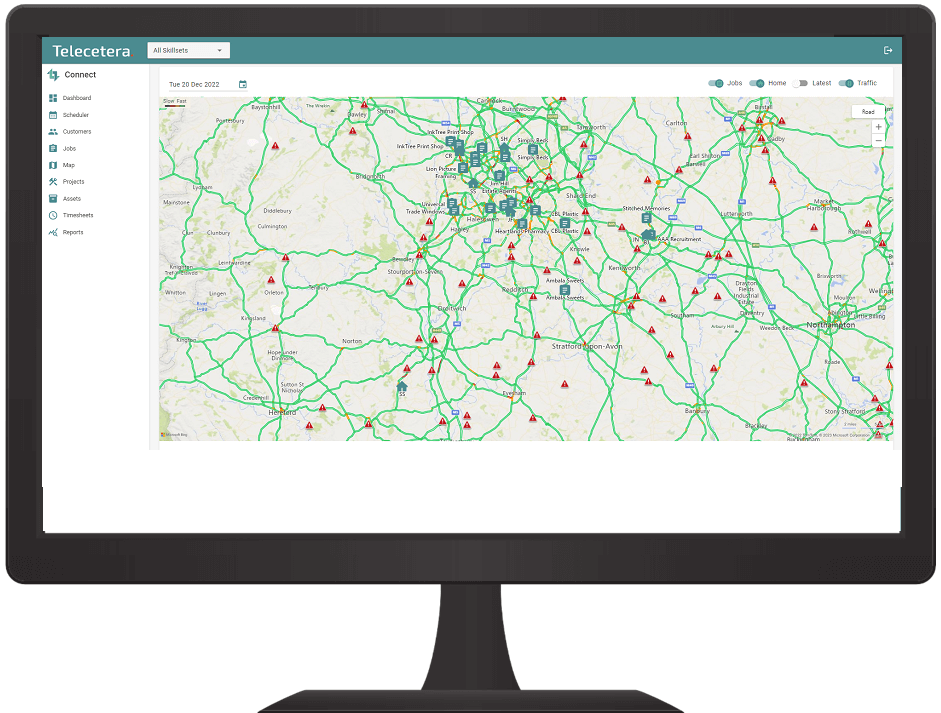
The right property management software creates a single, reliable view of every property, inspection, hazard and repair. Instead of managing compliance through disconnected records, teams can monitor the complete lifecycle of an issue, from identification to resolution and ongoing prevention.
- Consistent digital inspections
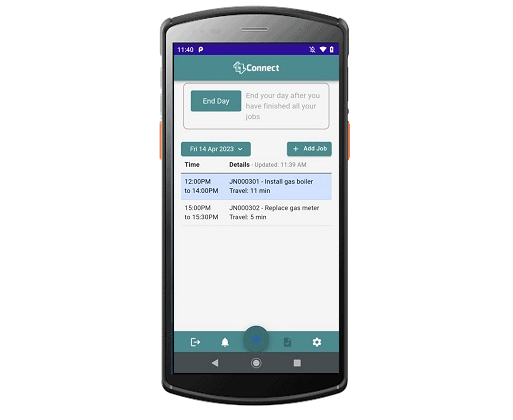
Digital inspection forms help ensure that every property is assessed using the same process. Inspectors can work through structured questions, record observations and attach photographs directly to the property record.
A well-designed system can require important fields to be completed, reducing the risk of missing information. It can also flag answers that indicate a potential hazard and automatically create follow-up actions.
This gives managers clearer oversight of property conditions and helps inspectors identify warning signs before they develop into more serious risks.
- Centralised hazard and repair reporting
Once a potential hazard has been identified, it needs to be recorded, assigned and monitored.
An all-in-one platform can link each issue to the relevant property, tenant, inspection and repair order. Teams can then see:
- When the issue was reported
- Who inspected it
- The evidence collected
- Its assessed risk and priority
- Who is responsible for resolving it
- The target completion date
- What remedial work has been undertaken
- Whether a follow-up inspection is required
This creates a clear audit trail and reduces the chance of important actions being lost in inboxes, spreadsheets or paper files.
- Risk-based prioritisation
Not every repair presents the same level of danger. Software can help teams prioritise work according to risk rather than simply processing requests in the order they were received.
Potentially serious issues; such as exposed electrical wiring, dangerous heating failures, severe damp and mould or fire-safety defects, can be escalated automatically. Alerts and dashboards can show managers which actions are overdue or approaching their deadlines.
This helps resources reach the properties where intervention is most urgently needed.
- Planned preventative maintenance
Planned preventative maintenance is one of the most effective ways to keep housing risks low. Instead of waiting for equipment or building components to fail, work can be scheduled according to condition, servicing requirements and expected lifespan.
Software can automate recurring tasks such as:
- Boiler and heating-system servicing
- Electrical inspections
- Fire-door and alarm checks
- Roof and gutter inspections
- Ventilation maintenance
- Communal-area safety checks
- Window and handrail inspections
- Water-system monitoring
- Seasonal checks before winter
Automated reminders help ensure that planned work is completed at the right time. Maintenance histories can also reveal patterns, helping managers decide whether repeated repairs should be replaced with a more permanent solution.
- Better contractor management
Compliance depends on repairs being completed properly, not simply assigned.
An integrated platform can issue work orders, track contractor attendance, record completion evidence and monitor service-level deadlines. Contractors can upload notes, photographs, certificates and invoices directly against the relevant job.
Managers can then verify that the required work has been completed before closing the case. If further action is needed, it can be scheduled immediately.
- Stronger reporting and audit trails
Reliable records are essential when responding to tenant complaints, internal audits or local-authority enquiries.
Centralised reporting can demonstrate:
- When a hazard was first identified
- How its risk was assessed
- What action was taken
- Whether deadlines were met
- Who completed the work
- What evidence was provided
- Whether the property was reinspected
Dashboards can also highlight recurring hazards, high-risk properties, overdue repairs and trends across an entire portfolio. This turns compliance information into something managers can actively use, rather than a collection of records reviewed only when a problem occurs.
From reactive repairs to proactive risk management
Technology cannot guarantee HHSRS compliance on its own. Landlords remain responsible for maintaining safe homes, and inspections and risk decisions must be undertaken by appropriately competent people.
However, a good all-in-one software solution provides the structure, visibility and evidence needed to manage those responsibilities more effectively.
By combining inspections, hazard reporting, repair tracking, contractor management and planned preventative maintenance, housing providers can move away from constantly responding to emergencies. They can identify risks earlier, intervene faster and make better long-term decisions about their properties.
The result is not simply improved operational efficiency. It means safer homes, lower risks for tenants, stronger compliance records and greater confidence that important maintenance responsibilities are being managed proactively.
HHSRS should not be treated as a box-ticking exercise or a certificate to obtain. It should form part of an ongoing commitment to keeping homes safe and healthy, and the right software can make that commitment much easier to deliver consistently.
For further information about the system and landlords’ responsibilities, consult the official government HHSRS guidance.